What Makes a Reliable Industrial Liners Manufacturer for Modern Industries?
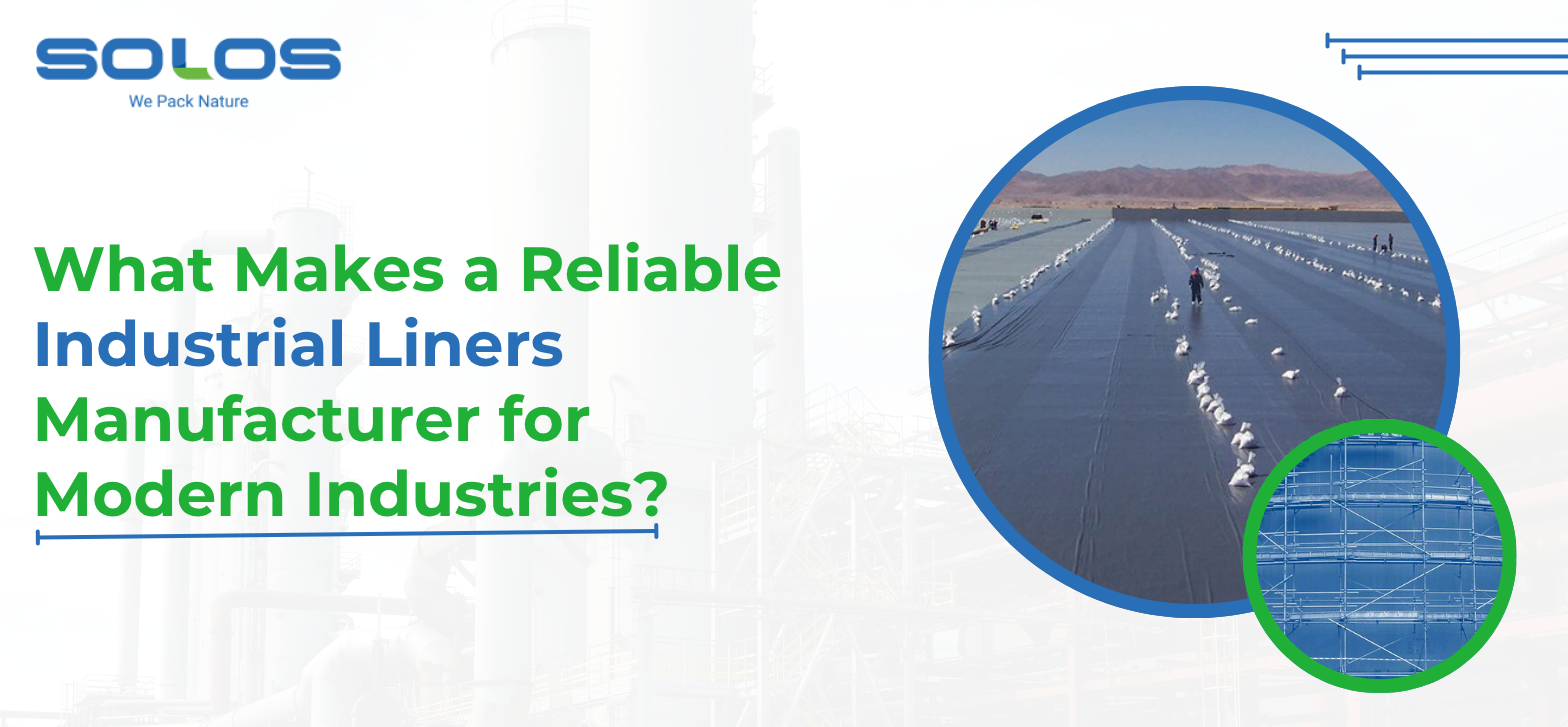
Industries today face increasing challenges when it comes to protecting materials, maintaining product quality, reducing waste, and improving operational efficiency. Whether it’s chemical processing, agriculture, construction, mining, water management, or packaging applications, the quality of the liner used can directly affect performance and long-term costs.
As industrial requirements continue to evolve, businesses are becoming more selective about choosing the right Industrial Liners for their operations. While many suppliers offer similar products, not every manufacturer can consistently deliver the quality, durability, and technical support that modern industries demand.
So, what separates a dependable industrial liner producer from the rest? Understanding the key factors can help businesses make better purchasing decisions and establish long-term supply partnerships that support growth and operational success.
Understanding the Importance of Industrial Liners
Industrial liners serve as protective barriers in a wide range of applications. They help safeguard products and materials from moisture, contamination, environmental exposure, and chemical interaction. Their versatility makes them essential across multiple sectors where product protection and storage reliability are critical.
Modern industries require liners that not only meet basic protection requirements but also withstand demanding operating conditions. Factors such as durability, puncture resistance, UV stability, and material consistency play a significant role in determining overall performance.
Choosing the right manufacturing partner ensures that these requirements are consistently met without compromising quality.
Consistent Product Quality Matters
One of the most important characteristics of a reliable Industrial Liners Manufacturer is consistency.
A liner that performs well in one batch but fails in the next can lead to operational disruptions, product loss, and increased costs. Reliable manufacturers implement strict quality control measures throughout the production process to maintain uniform thickness, strength, and performance standards.
Businesses should look for manufacturers that:
-
Follow standardized production processes
-
Conduct regular quality inspections
-
Use tested raw materials
-
Maintain batch consistency
-
Monitor product performance through quality assurance procedures
Consistency helps industrial buyers reduce risks and maintain confidence in their packaging and storage operations.
Advanced Manufacturing Capabilities
Technology plays a major role in producing high-quality liners.
Modern production facilities use advanced extrusion and processing technologies to ensure better dimensional accuracy, improved material properties, and enhanced durability. Manufacturers that invest in upgraded machinery are often better positioned to meet evolving industry demands.
Advanced manufacturing capabilities can provide benefits such as:
-
Improved strength and durability
-
Better resistance to punctures and tears
-
Consistent material thickness
-
Enhanced product lifespan
-
Greater production efficiency
When evaluating an Industrial Liners Supplier, it is important to understand their manufacturing infrastructure and production capabilities.
High-Quality Raw Materials Make a Difference
Even the most sophisticated manufacturing equipment cannot compensate for poor-quality raw materials.
Reliable manufacturers prioritize material selection because the quality of the resin and additives directly affects the final product’s performance. High-grade raw materials contribute to stronger liners, better durability, and improved resistance to environmental factors.
Industries increasingly prefer suppliers who maintain transparency regarding material quality and sourcing practices.
A dependable Industrial Liners Supplier India should be able to provide information about material specifications and quality standards when requested.
Industry-Specific Expertise Adds Value
Different industries have unique requirements.
A liner suitable for water conservation projects may not perform effectively in chemical storage environments. Similarly, applications involving outdoor exposure require different performance characteristics than indoor industrial use.
Experienced manufacturers understand these differences and can recommend suitable solutions based on operational needs.
Industry knowledge helps businesses:
-
Select appropriate liner specifications
-
Avoid product mismatches
-
Improve operational efficiency
-
Reduce maintenance issues
-
Extend service life
Manufacturers with extensive experience across multiple sectors often provide greater value beyond simply supplying products.
Focus on Product Testing and Quality Assurance
Testing is one of the strongest indicators of manufacturing reliability.
Professional manufacturers conduct rigorous testing to evaluate product performance under real-world conditions. This helps ensure that liners meet required specifications before reaching customers.
Important testing parameters often include:
-
Tensile strength
-
Tear resistance
-
Thickness consistency
-
UV stability
-
Puncture resistance
-
Dimensional accuracy
Companies that prioritize testing demonstrate a commitment to long-term product reliability and customer satisfaction.
Strong Supply Chain and Timely Deliveries
Product quality alone is not enough.
Industrial buyers depend on reliable supply schedules to keep operations running smoothly. Delayed deliveries can affect production timelines, inventory management, and project execution.
A trustworthy Industrial Liners Manufacturer India typically maintains efficient inventory planning, production scheduling, and logistics management systems.
Key indicators of supply reliability include:
-
Consistent lead times
-
Efficient order processing
-
Inventory management capabilities
-
Scalable production capacity
-
Responsive customer support
Businesses often prefer working with suppliers that can accommodate both routine and urgent requirements.
Customization Capabilities for Diverse Applications
Modern industries rarely operate with identical requirements.
Many projects require specific dimensions, thickness ranges, material characteristics, or performance features. Manufacturers capable of adapting to varying application needs often become preferred long-term partners.
Customization capabilities demonstrate technical expertise and manufacturing flexibility.
Before finalizing a supplier, buyers should evaluate whether the manufacturer can support evolving operational requirements as business needs change over time.
Sustainability and Environmental Responsibility
Sustainability has become an important consideration across industries worldwide.
Many organizations are actively seeking packaging and industrial solutions that support environmental objectives without sacrificing performance.
Manufacturers that invest in responsible production practices often gain a competitive advantage. These initiatives may include:
-
Efficient resource utilization
-
Waste reduction programs
-
Energy-efficient manufacturing
-
Recyclable material solutions
-
Environmental compliance measures
A forward-thinking supplier understands that sustainability is no longer optional for many businesses.
Technical Support and Customer Service
The relationship between a manufacturer and buyer should extend beyond the initial purchase.
Reliable suppliers provide ongoing support to help customers select suitable products, address technical questions, and optimize performance for specific applications.
Strong customer service often includes:
-
Product consultation
-
Technical guidance
-
Prompt communication
-
After-sales support
-
Assistance with product selection
A responsive support team can save businesses significant time and resources when challenges arise.
Certifications and Compliance Standards
Manufacturing standards provide buyers with additional confidence in product quality and operational reliability.
Certifications often indicate that a company follows established quality management practices and maintains structured production procedures.
When evaluating suppliers, businesses should review relevant certifications, quality systems, and compliance documentation.
These factors can help differentiate professional manufacturers from suppliers that lack consistent quality processes.
Why Long-Term Partnerships Matter
Many industrial buyers focus primarily on product pricing during supplier selection. While cost remains important, long-term value often comes from reliability, consistency, and support.
A dependable manufacturing partner can help businesses:
-
Reduce operational risks
-
Improve product protection
-
Minimize supply disruptions
-
Enhance efficiency
-
Support future growth
Long-term partnerships create stability and allow companies to focus on core business activities rather than managing recurring supplier issues.
Choosing the Right Partner for Industrial Liner Solutions
Selecting a supplier involves more than comparing product specifications. Businesses should evaluate manufacturing expertise, quality systems, production capabilities, customer support, and industry experience before making a decision.
Companies looking for dependable solutions often prefer manufacturers with a proven track record of delivering quality products and responsive service. Organizations such as Solos Polymers have built their reputation by focusing on product consistency, manufacturing excellence, and customer-focused solutions for diverse industrial applications.
Businesses can also benefit from exploring related solutions such as packaging liners and specialized industrial films to identify products that best match their operational requirements.
Final Thoughts
The demand for durable and high-performance Industrial Liners continues to grow as industries seek better protection, efficiency, and reliability across their operations.
A reliable manufacturing partner brings much more than a product. They provide technical expertise, quality assurance, consistent supply, and long-term support that help businesses achieve operational success.
When evaluating potential suppliers, focus on factors such as manufacturing capabilities, raw material quality, testing procedures, customer support, and industry experience. Taking the time to choose the right partner can lead to better performance, reduced risks, and greater value over the long term.
As industrial requirements become increasingly sophisticated, partnering with an experienced and quality-driven manufacturer becomes an important step toward building resilient and efficient operations.
