How FIBC Liner Design Affects Filling, Discharge, and Bulk Material Handling Efficiency
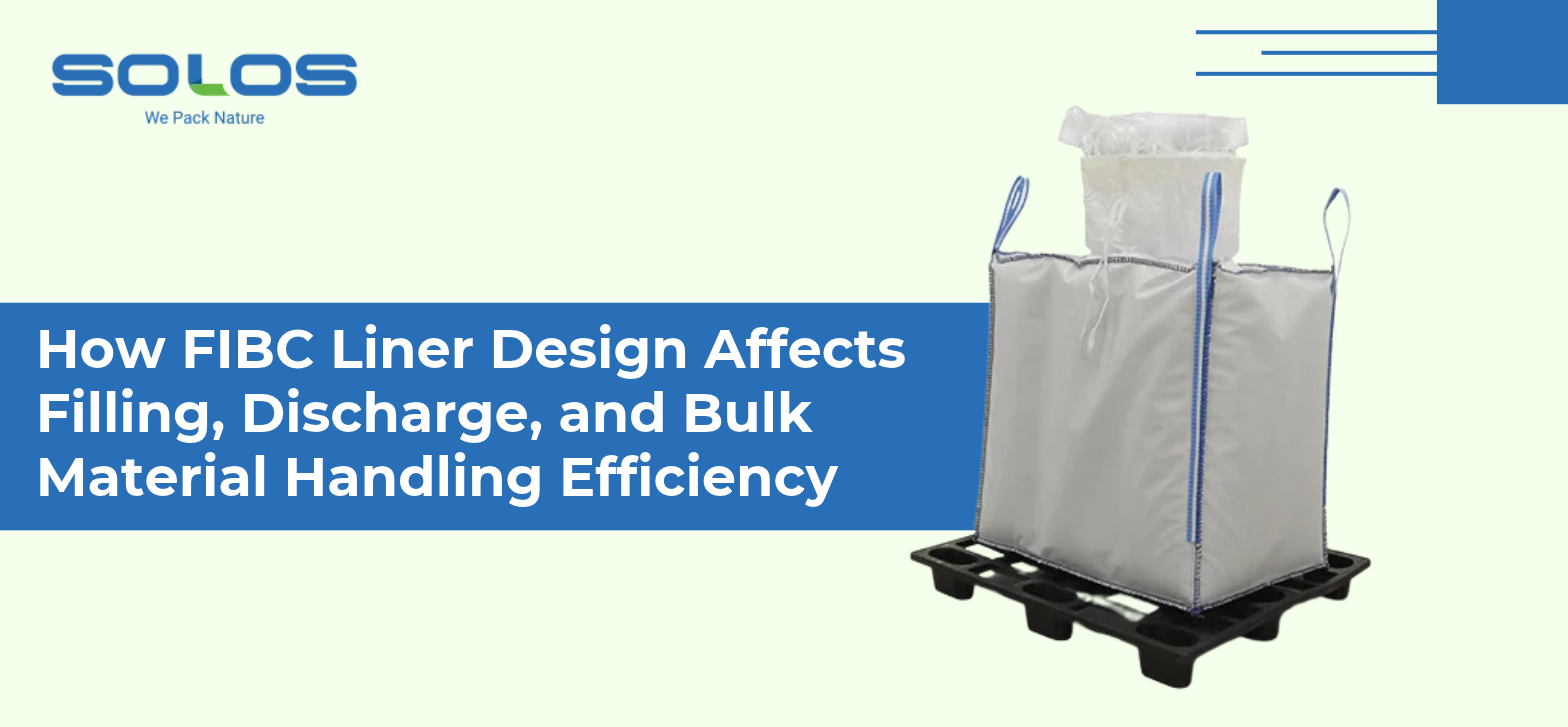
Efficient bulk material handling depends on more than choosing the right outer bag. What happens inside the bag can have an equally important impact on filling speed, material flow, discharge, product protection, and handling efficiency.
This is where the design of an FIBC Liner becomes important.
An FIBC liner creates an additional layer inside a Flexible Intermediate Bulk Container and can help protect powders, granules, ingredients, chemicals, and other bulk materials during filling, storage, transportation, and discharge. However, not every liner behaves in the same way.
Its shape, fit, material, thickness, top opening, bottom configuration, and compatibility with the product can all affect how efficiently the complete packaging system performs.
Understanding these design factors can help businesses select an FIBC liner that does more than protect the product. The right liner can also support smoother bulk material handling throughout the packaging process.
Why Does FIBC Liner Design Matter?
It is easy to think of an FIBC liner simply as a plastic layer placed inside a bulk bag. In practice, its design can influence almost every stage of material handling.
During filling, the liner needs to remain correctly positioned while material enters the bag.
During transportation and storage, it should work with the shape of the FIBC rather than creating unnecessary folds or movement.
During discharge, the liner should allow the material to leave the container with minimal obstruction.
A liner that is poorly matched to the bag or product can create operational challenges. Excess liner material may fold, wrinkle, or interfere with product movement. An unsuitable discharge configuration can slow emptying. The wrong material specification may also fail to provide the required protection.
Choosing an appropriate design therefore starts with understanding the complete packaging operation rather than considering the liner separately.
1. Liner Shape Can Influence Filling Efficiency
The way an FIBC liner fits inside the bulk bag can affect how easily the bag fills.
A liner that closely follows the internal shape of the FIBC can remain more stable as material enters the container. This can reduce unwanted liner movement and allow the product to distribute more evenly.
Form fit FIBC liners are designed to correspond more closely with the shape of the outer bag. This type of configuration can be useful where controlled filling, cleanliness, and efficient use of bag space are important. Solos Polymers identifies form fit liners as one of its available FIBC liner variations alongside lay flat and specialized liner options.
The characteristics of the product also matter.
Fine powders may behave differently from coarse granules. Free flowing materials may settle quickly, while products with poor flow characteristics may require greater attention to the liner and filling configuration.
For this reason, liner design should always be considered together with the bulk material being packed.
2. The Top Configuration Affects the Filling Process
The opening of an FIBC liner needs to work efficiently with the filling equipment being used.
Some operations require a wide opening for rapid filling, while others use filling spouts or more controlled systems. If the liner opening does not properly align with the filling arrangement, operators may spend additional time positioning, securing, or adjusting it.
A suitable top configuration can help:
-
Keep the liner correctly positioned during filling
-
Reduce unnecessary manual adjustment
-
Support controlled product flow
-
Minimize product loss around the filling point
-
Improve overall filling consistency
The ideal configuration depends on the FIBC design, filling machinery, product characteristics, and required level of protection.
This is why simply choosing a liner based on dimensions alone may not be enough.
3. Liner Fit Can Affect the Usable Space Inside the FIBC
Bulk packaging efficiency is closely connected to how effectively the available container space is used.
A liner with excessive material or an unsuitable shape can create folds inside the bag. These folds may occupy space or interfere with even distribution of the product.
A properly designed FIBC Liner can fit more effectively within the outer bag, allowing the filled package to maintain a more predictable shape.
This can become particularly important when filled FIBCs need to be stored or transported efficiently. Solos Polymers notes that liner shape can contribute to stable stacking and better utilization of storage space.
For operations handling large quantities of bulk materials, even small improvements in space utilization can make storage and logistics easier to manage.
4. Discharge Design Can Improve Product Flow
Efficient filling is only half of the process. Eventually, the material must come out of the bag.
Discharge performance can be affected by several factors, including:
-
Product flow characteristics
-
Liner shape
-
Bottom configuration
-
Discharge opening
-
Liner flexibility
-
Amount of material remaining inside the bag
When liners are being used with FIBCs that have discharge spouts, the liner design should complement the outer bag configuration.
Tubular liners, for example, can be configured for use with spout bottom bags and customized with different bottom or discharge arrangements depending on the application.
The objective should be to create a smooth path for the product from the liner into the next stage of the production or handling process.
This is especially important where businesses need controlled emptying, reduced material retention, or efficient transfer into processing equipment.
5. Material Selection Affects Handling and Product Protection
Design is not limited to shape. The material used for the liner also affects performance.
Different bulk products may require protection from moisture, oxygen, contamination, or chemical exposure. In other applications, antistatic properties may be important.
Solos Polymers lists FIBC liner options including standard LDPE, aluminium, EVOH, and antistatic Type C constructions, allowing the liner structure to be matched more closely to different packaging requirements.
For example, the packaging needs of food ingredients can differ considerably from those of industrial chemicals or other sensitive materials.
The right liner material should therefore be selected according to:
-
Product characteristics
-
Required barrier performance
-
Storage environment
-
Transportation conditions
-
Filling and discharge processes
-
Applicable hygiene or safety requirements
Selecting the liner based only on price can overlook factors that have a much greater impact on day to day packaging performance.
6. Liner Thickness Should Match the Application
Thickness is another important part of FIBC liner design.
A liner needs sufficient strength for the intended product and handling conditions. At the same time, unnecessarily increasing thickness may add material without delivering additional value for the application.
The appropriate specification can depend on the weight and type of material being packed, the expected handling conditions, transportation requirements, and the design of the FIBC itself.
Rather than applying the same liner specification to every product, businesses should evaluate what level of performance is actually required.
This approach can help achieve a better balance between protection, durability, material use, and packaging efficiency.
7. Product Flow Characteristics Should Guide Liner Selection
Before choosing an FIBC liner, consider how the material behaves.
Ask questions such as:
Does the product flow freely?
Is it a very fine powder?
Does it tend to bridge or compact?
Is moisture exposure a concern?
Does the material create static?
Will the product be discharged quickly or gradually?
How will the liner interact with the filling and discharge equipment?
These details can significantly influence the most suitable liner construction.
A design that works effectively for one powder may not necessarily be ideal for another material with different flow or protection requirements.
How Can the Right FIBC Liner Improve Overall Handling Efficiency?
When liner design, material, bag construction, and bulk product characteristics are properly matched, the benefits can extend throughout the packaging process.
An appropriate liner can support easier filling, controlled discharge, better use of bag capacity, cleaner handling, product protection, and more predictable storage and transportation.
It can also reduce unnecessary adjustments during packaging operations.
The key is to think of the FIBC and its liner as one packaging system rather than two independent components.
What Should You Consider Before Selecting an FIBC Liner?
Before finalizing a liner design, provide your packaging supplier with as much information about the application as possible.
Important details include the product being packed, bulk density, flow characteristics, filling method, discharge method, required liner dimensions, storage conditions, transportation environment, barrier requirements, and whether antistatic properties are needed.
These factors help determine whether a form fit, lay flat, tubular, food grade, conductive, barrier, or another customized liner configuration is more appropriate.
Final Thoughts
FIBC liner design can directly influence how efficiently bulk materials move through filling, storage, transportation, and discharge operations. Shape, fit, opening configuration, material structure, thickness, and product compatibility should all be considered before selecting a liner. Instead of treating the liner as a simple addition to an FIBC bag, businesses can achieve better packaging performance by choosing a solution designed around the complete handling process. If you are looking for an FIBC Liner designed around your specific bulk packaging requirements, explore the FIBC Liner solutions from Solos Polymers and connect with the team to discuss the right liner configuration for your application.
