Gas Liners for Industrial and Environmental Applications: A Complete Guide
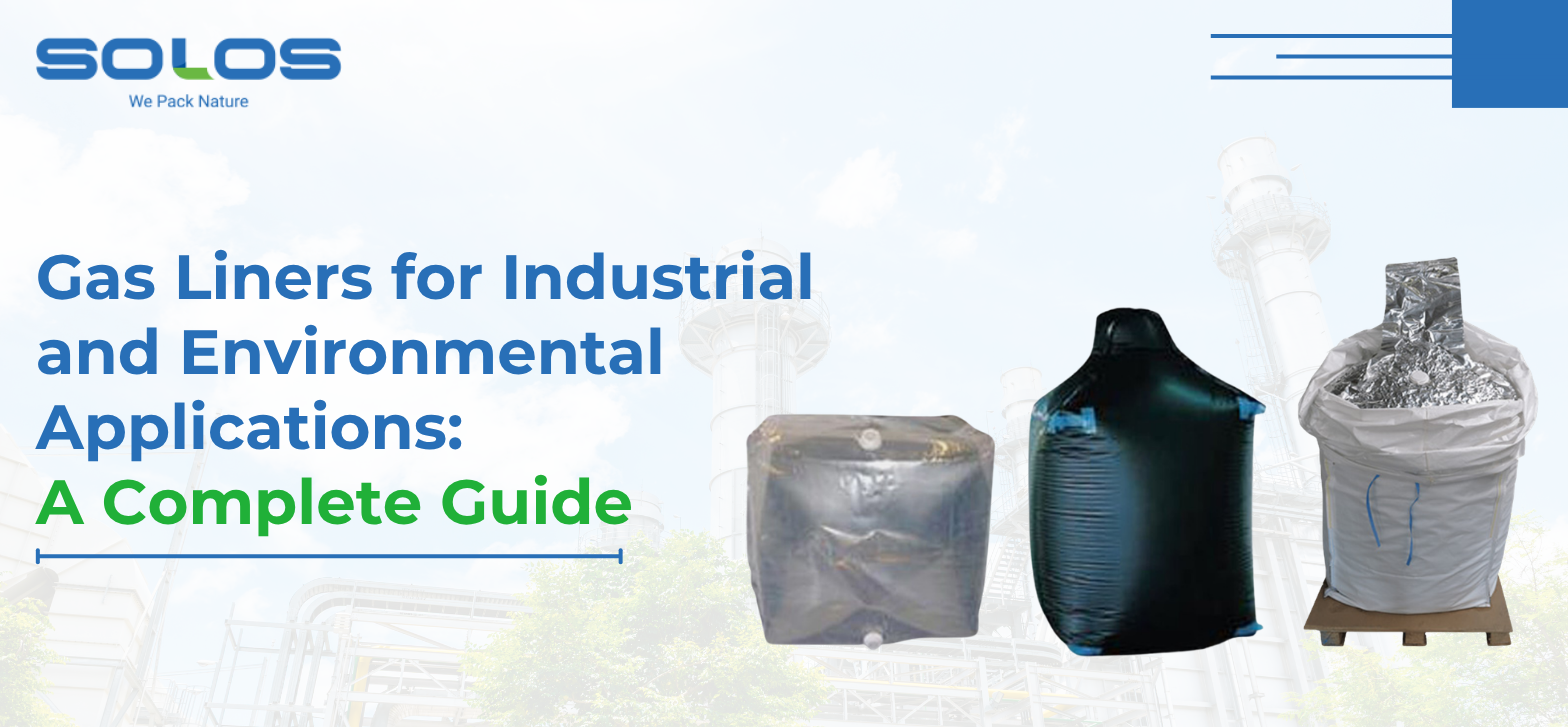
Modern industries face increasing challenges related to containment, environmental protection, material preservation, and operational safety. Whether managing landfill emissions, protecting stored materials, or supporting waste management systems, reliable barrier solutions play a critical role in maintaining efficiency and compliance.
Among these solutions, Gas Barrier Liners have become an important component across numerous industrial and environmental applications. Designed to restrict the movement of gases through containment systems, these specialized liners help organizations reduce environmental risks, protect valuable resources, and improve long-term operational performance.
This guide explores how gas liners work, their key benefits, common applications, and the factors businesses should consider when selecting the right solution.
Understanding Gas Barrier Liners
Gas barrier liners are engineered materials designed to minimize or prevent the transmission of gases through a containment structure. They are commonly manufactured using advanced polymer-based materials that provide low permeability, durability, and resistance to environmental stress.
Unlike standard containment materials, these liners are specifically developed to control gas migration while maintaining structural integrity under challenging operating conditions.
Industries use these systems where gas containment is essential for environmental protection, resource management, or operational efficiency.
Their ability to create an effective barrier helps organizations meet safety requirements while improving the lifespan of containment infrastructure.
Why Gas Control Matters in Industrial Operations
Gas movement can create several operational and environmental concerns when not properly managed.
Some of the most common challenges include:
-
Release of unwanted emissions
-
Contamination of surrounding environments
-
Loss of valuable gases
-
Reduced efficiency of containment systems
-
Regulatory compliance issues
-
Increased maintenance costs
By incorporating high-quality gas containment solutions, businesses can address these risks proactively and maintain better control over their operations.
Key Features of High-Performance Gas Liners
Not all containment materials provide the same level of performance. Effective gas-control systems typically offer several important characteristics.
Low Gas Permeability
The primary purpose of these liners is to restrict gas transmission. Materials with low permeability help prevent unwanted gas movement and improve containment efficiency.
Chemical Resistance
Many industrial environments expose containment systems to chemicals, moisture, and other potentially damaging substances. Durable materials help maintain performance over extended periods.
UV Stability
Outdoor installations require protection against prolonged sunlight exposure. UV-resistant formulations help preserve liner integrity and reduce degradation.
Mechanical Strength
Industrial applications often involve heavy loads, pressure variations, and environmental stress. Strong construction helps prevent tears, punctures, and damage.
Long Service Life
Organizations seek solutions that provide consistent performance while minimizing replacement and maintenance costs.
Major Industrial Applications
Gas containment technology serves a wide range of industries. Understanding these applications helps businesses identify the most suitable solution for their specific requirements.
Waste Management Facilities
Landfills and waste containment sites generate gases during decomposition processes. Proper barrier systems help control gas migration and support environmental compliance efforts.
These installations often rely on advanced liner systems to reduce emissions and protect surrounding ecosystems.
Mining Operations
Mining environments require reliable containment solutions to manage challenging operating conditions.
Gas-control materials help improve site management while supporting environmental protection measures.
Water Conservation Projects
Various water management projects utilize specialized liners to improve containment performance and reduce environmental impact.
When combined with durable Industrial Liners, organizations can create more reliable containment systems for long-term use.
Energy and Resource Management
Energy-related operations frequently require controlled environments where gas movement must be minimized.
Effective containment solutions help maintain system performance while supporting operational efficiency.
Environmental Protection Projects
Environmental remediation and containment projects often depend on engineered barriers to prevent unwanted migration of gases and contaminants.
Proper liner selection plays a critical role in project success and long-term environmental stewardship.
Benefits of Using Gas Barrier Systems
Businesses invest in specialized containment solutions because of the significant advantages they provide.
Enhanced Environmental Protection
One of the most important benefits is reducing the risk of emissions entering surrounding environments.
This contributes to safer operations and supports sustainability goals.
Improved Operational Efficiency
By controlling gas movement, organizations can optimize containment performance and reduce resource loss.
Regulatory Compliance Support
Environmental regulations continue to evolve across industries. Effective containment systems help organizations align with compliance requirements.
Reduced Maintenance Costs
Durable materials require fewer repairs and replacements, helping businesses lower lifecycle costs.
Long-Term Reliability
Properly designed liners deliver consistent performance even in demanding environments.
How to Choose the Right Gas Liners
Selecting the appropriate solution requires evaluating several important factors.
Understand Application Requirements
Every project has unique operating conditions. Consider factors such as:
-
Site environment
-
Gas exposure levels
-
Temperature variations
-
Moisture conditions
-
Expected lifespan
Understanding these requirements helps narrow the selection process.
Evaluate Material Quality
The effectiveness of any containment system depends heavily on material quality.
Look for solutions that offer:
-
Strong barrier properties
-
Durability
-
Consistent manufacturing standards
-
Proven field performance
Consider Installation Conditions
Installation environments can influence liner performance.
Factors such as terrain, weather conditions, and project complexity should be evaluated during planning.
Review Supplier Experience
Working with experienced Gas Liners Suppliers can help ensure access to quality materials and technical guidance throughout the project lifecycle.
Reliable suppliers understand industry requirements and can assist with selecting suitable products for specific applications.
Importance of Manufacturing Standards
Quality manufacturing directly impacts the performance and longevity of containment systems.
A reputable Gas Liners Manufacturer typically focuses on:
-
Material consistency
-
Quality control procedures
-
Performance testing
-
Production reliability
-
Industry standards compliance
These factors contribute to dependable products that perform effectively under real-world conditions.
Organizations sourcing materials from an experienced Gas Liners Manufacturer India can benefit from solutions designed to meet the needs of diverse industrial sectors.
Growing Demand Across India
As industries place greater emphasis on environmental responsibility and operational efficiency, demand for advanced containment technologies continues to grow.
Businesses increasingly seek dependable Gas Liners Suppliers India that can provide quality materials suitable for industrial and environmental projects.
The growth of infrastructure development, waste management initiatives, and resource conservation programs has further increased the importance of reliable gas containment systems throughout the country.
The Role of Solos Polymers
Companies operating in industrial and environmental sectors often require durable containment solutions tailored to demanding applications.
As part of its broader product portfolio, Solos Polymers provides solutions that support industrial containment requirements while emphasizing material quality, durability, and performance.
Organizations exploring gas-control applications may also benefit from related solutions such as Packaging Liners and Industrial Liners, depending on the specific operational requirements of their projects.
Selecting the right combination of containment products helps improve overall system effectiveness and long-term reliability.
Common Mistakes to Avoid
When implementing gas containment systems, organizations should avoid several common mistakes.
Choosing Based Only on Cost
Lower-cost materials may result in reduced durability and higher maintenance expenses over time.
Ignoring Site Conditions
Environmental and operational factors should always influence material selection.
Overlooking Material Specifications
Performance characteristics such as permeability, strength, and resistance should be carefully reviewed.
Working with Inexperienced Vendors
Selecting trusted suppliers helps reduce project risks and improve long-term outcomes.
Future Trends in Gas Containment Solutions
The industry continues to evolve as organizations seek more efficient and sustainable containment technologies.
Emerging trends include:
-
Improved barrier materials
-
Enhanced durability
-
Better environmental performance
-
Advanced manufacturing techniques
-
Increased focus on sustainability
These developments are expected to further improve the effectiveness of gas containment systems across industrial and environmental applications.
Conclusion
Gas containment plays an essential role in protecting the environment, supporting operational efficiency, and maintaining regulatory compliance. As industries continue to prioritize sustainability and performance, Gas Barrier Liners remain a critical solution for managing gas migration in a wide range of applications.
From waste management facilities and mining operations to environmental protection projects and resource management systems, high-quality gas containment materials provide long-term value and reliability.
By evaluating application requirements, material performance, and supplier expertise, businesses can make informed decisions that support successful project outcomes and sustainable operations for years to come.
