Food-Grade and Anti-Static FIBC Liners: Choosing the Right Liner for Sensitive Materials
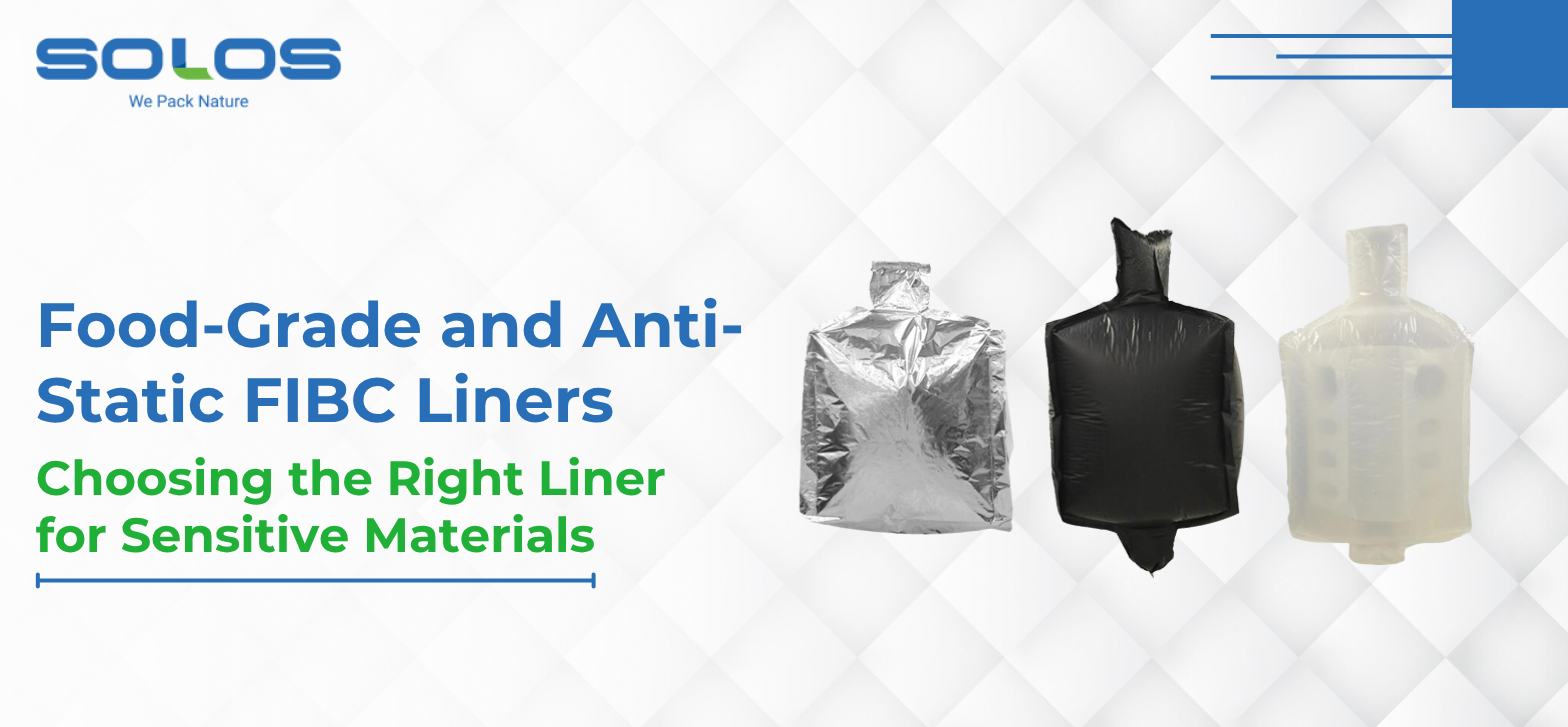
When it comes to transporting and storing sensitive materials, choosing the right packaging solution is critical. Industries such as food processing, chemicals, and agriculture rely heavily on Flexible Intermediate Bulk Containers (FIBCs) paired with specialized liners to maintain product integrity and safety. Among the most important options available are food-grade liners and anti-static FIBC liners, each designed to address specific handling challenges.
Understanding the differences between these liners and when to use them can significantly improve product safety, compliance, and operational efficiency. In this guide, we’ll explore how these liners work and how to select the right one for your application.
Explore Food-Grade Liners
Food-grade liners are specially manufactured liners designed for the safe storage and transportation of edible products. These liners are made from high-quality, non-toxic materials such as virgin polyethylene or polypropylene and are produced in controlled environments to meet strict hygiene standards.
Key Features of Food-Grade Liners
-
Compliance with Food Safety Standards
These liners meet international food safety regulations such as FDA and EU guidelines, ensuring safe contact with food products.
-
Contamination Prevention
Manufactured in cleanroom conditions, food-grade liners minimize the risk of contamination from dust, moisture, or external pollutants.
-
Odor and Taste Neutrality
They do not alter the taste, smell, or quality of the stored material, making them ideal for sensitive food items.
-
Moisture Barrier Protection
Many food-grade liners offer excellent moisture resistance, preventing spoilage and extending shelf life.
Common Applications
Food-grade liners are widely used in:
-
Sugar, flour, and grains
-
Dairy powders and spices
-
Processed food ingredients
-
Nutraceuticals and supplements
Explore Anti-Static FIBC Liners
Anti-static FIBC liners are designed to prevent the buildup and discharge of static electricity during the handling of materials. Static discharge can pose serious risks, especially when dealing with flammable powders, chemicals, or fine particles.
Key Features of Anti-Static FIBC Liners
-
Electrostatic Discharge Protection
These liners dissipate static charges safely, reducing the risk of sparks and explosions.
-
Enhanced Safety in Hazardous Environments
Ideal for industries handling combustible dust or volatile substances.
-
Durable and Reliable Performance
Anti-static liners maintain their properties even under varying environmental conditions.
-
Compatibility with Type C and Type D FIBCs
Often used in conjunction with conductive or static-dissipative bulk bags for maximum safety.
Common Applications
Anti-static FIBC liners are essential in:
-
Chemical and petrochemical industries
-
Powdered minerals and pigments
-
Fine powders prone to static buildup
Why Choosing the Right Liner Matters?
1. Product Sensitivity
If your materials are consumable or require strict hygiene, food-grade liners are essential. For materials sensitive to static electricity, anti-static liners are the safer choice.
2. Industry Regulations
Different industries have different compliance requirements. Food and agricultural sectors demand certified food-grade liners, while chemical industries prioritize anti-static properties.
3. Environmental Conditions
Humidity, temperature, and handling processes can impact liner performance. Anti-static liners are crucial in dry environments where static buildup is more likely.
4. Risk Mitigation
Using the wrong liner can lead to contamination, product loss, or even hazardous incidents. Investing in the correct liner type ensures smooth operations and reduces liability.
Food-Grade & Anti-Static FIBC Liners: Key Differences
|
Feature |
Food-Grade Liners |
Anti-Static FIBC Liners |
|
Purpose |
Protect food safety |
Prevent static discharge |
|
Material |
Virgin, non-toxic polymers |
Static-dissipative materials |
|
Compliance |
FDA/EU food standards |
Safety standards for hazardous materials |
|
Risk Addressed |
Contamination |
Explosion/fire hazards |
|
Industries |
Food, agro-products |
Chemicals, minerals |
Factors to Consider When Choosing the Right Liner
To select the ideal liner for your needs, consider the following:
Material Compatibility
Ensure the liner material is compatible with the product being stored, especially for reactive or sensitive substances.
Liner Thickness
Thicker liners provide better durability and protection, while thinner liners may be suitable for lightweight materials.
Sealing Options
Look for liners with appropriate sealing features such as heat sealing or tie closures to prevent leaks and contamination.
Customization
Many businesses benefit from customized liners tailored to specific bag sizes, shapes, and handling requirements.
Supplier Quality
Choosing a reliable manufacturer ensures consistent quality, compliance, and performance.
Industry Trends in FIBC Liners
The demand for specialized liners is growing rapidly as industries become more quality-conscious and safety-focused. Key trends include:
-
Increased use of cleanroom-manufactured food-grade liners
-
Rising adoption of anti-static FIBC liners in hazardous industries
-
Development of multi-functional liners combining safety and hygiene
-
Greater emphasis on sustainability and recyclable materials
These advancements are helping businesses improve efficiency while maintaining strict compliance standards.
Bottom Line
Choosing between food-grade liners and anti-static FIBC liners depends on your material type, industry requirements, and safety considerations. While food-grade liners ensure hygiene and product purity, anti-static liners provide critical protection against electrostatic hazards. In some cases, a combination of both features may be necessary to meet complex handling needs.
By understanding your operational requirements and selecting the right liner, you can enhance product safety, reduce risks, and improve overall supply chain efficiency. For high-quality, reliable liner solutions tailored to your industry, trust the expertise of Solos Polymers.
