Heavy Duty Industrial Liners for Mining Applications: What to Know
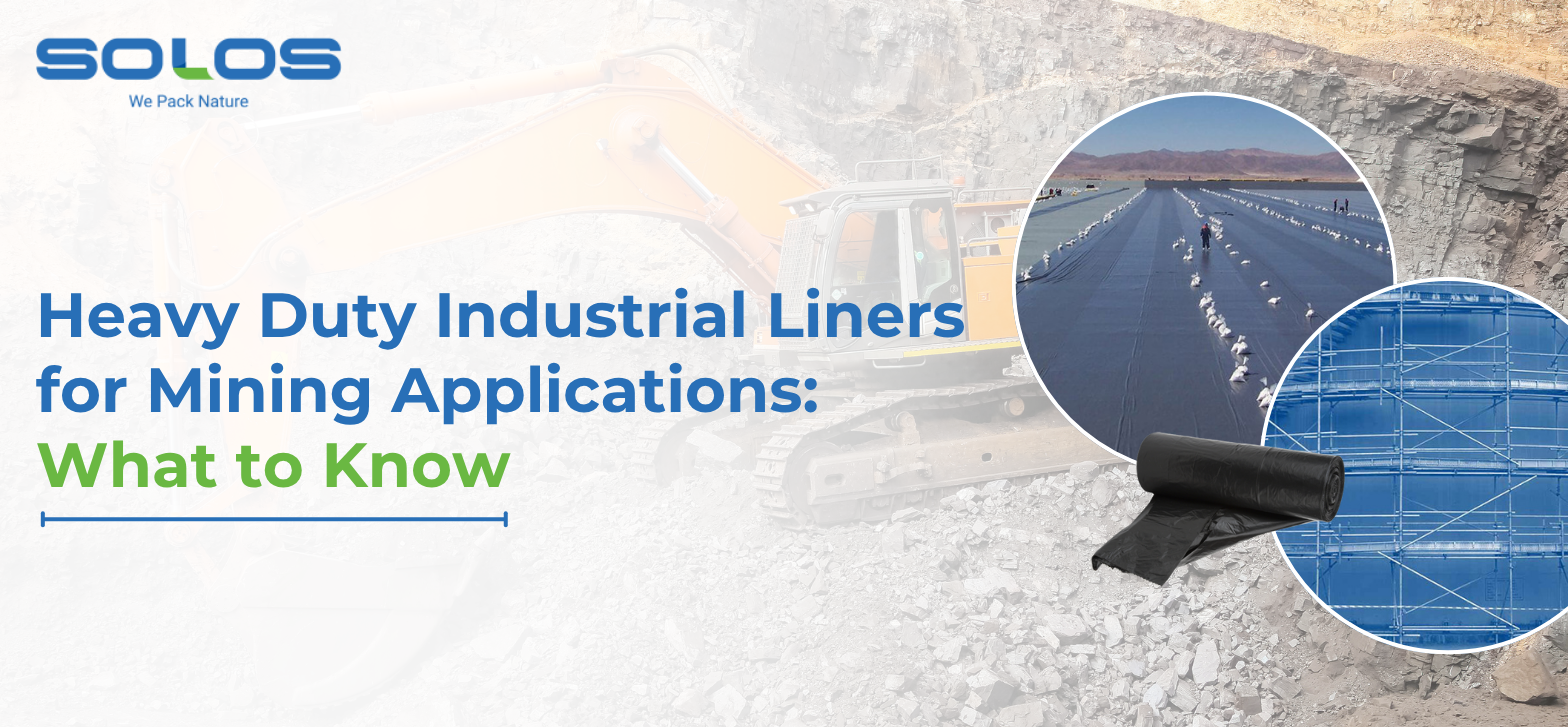
Heavy duty industrial liners are used in mining to protect materials, storage systems, and surfaces from abrasion, moisture, and environmental exposure during handling, storage, and transport. They help reduce material loss, improve durability, and maintain operational efficiency in harsh conditions.
Mining does not operate in controlled environments, and that changes everything.
Sharp materials, constant movement, outdoor exposure, and heavy loads create a setting where weak packaging solutions fail quickly. What looks durable on paper often does not survive real site conditions.
That is why choosing the right liner is less about specification and more about performance where it actually matters.
Why Mining Applications Require Heavy Duty Industrial Liners?
Mining materials are not easy to handle. They create continuous stress on storage and transport systems.
You are dealing with:
-
Abrasive and uneven materials
-
High load pressure during stacking
-
Exposure to moisture and environmental conditions
-
Repeated handling cycles
Standard liners struggle to keep up with this level of demand. This is where purpose-built industrial liners become essential for maintaining consistency and reducing operational risks.
Where Liner Failures Actually Happen?
Most failures do not occur during storage.
They happen during:
-
Filling when pressure builds up
-
Movement during transport
-
Repeated handling on site
Many mining operations underestimate the stress created during transport, where most liner failures actually occur.
This is why performance under real conditions should always take priority over basic specifications.
What Defines a Reliable Liner in Mining Conditions?
Not every liner marketed as “heavy duty” performs the same way.
A dependable solution combines:
-
High resistance to punctures from sharp materials
-
Structural strength that holds under load
-
Stability in changing environmental conditions
-
Consistent performance across multiple uses
This balance is what separates a durable liner from one that fails under pressure.
Material Quality Is Where Performance Begins
The base material plays a critical role in long term durability.
If the material is not strong enough, you may start seeing:
-
Micro tears that expand over time
-
Reduced flexibility under stress
-
Faster deterioration in harsh conditions
High quality heavy duty industrial liners are designed to handle repeated stress without losing their integrity.
Exposure to Outdoor Conditions Changes Performance
Mining environments often involve continuous outdoor exposure.
Without proper UV stabilization:
-
Liners can weaken faster
-
Surface integrity reduces
-
Lifespan drops significantly
This makes UV resistant solutions a practical requirement rather than an added feature.
Protection Is More Than Just Strength
Durability is important, but protection also includes how well the liner shields the material inside.
A well designed liner helps:
-
Control moisture exposure
-
Limit air interaction when required
-
Reduce contamination risks
For applications requiring higher protection levels, advanced options similar to gas barrier liners can provide additional security.
You can also evaluate broader applications through industrial liners depending on your operational setup.
Fit and Design Directly Impact Efficiency
Even a strong liner can create problems if it does not fit properly.
Poor fit can lead to:
-
Shifting during filling
-
Uneven load distribution
-
Slower handling processes
A liner that aligns with your workflow improves efficiency instead of adding friction to operations.
A Smarter Way to Choose the Right Liner
Instead of focusing only on technical specifications, look at your actual use case.
Consider:
-
Type of material being handled
-
Frequency of movement
-
Storage conditions
-
Exposure to external elements
This practical approach helps you choose a solution that performs reliably in real situations.
How Solos Polymers Support Mining Applications?
Solos Polymers focuses on delivering solutions that perform consistently in demanding environments.
The approach is simple:
-
Understand the application in detail
-
Recommend the right liner structure
-
Maintain quality across every batch
This helps reduce failures, improve handling efficiency, and support smoother operations in mining conditions.
Final Checklist Before You Decide
Before selecting your liner solution, make sure:
-
It can handle abrasion and pressure
-
It offers protection against moisture and exposure
-
It maintains strength during transport
-
It fits your operational process
-
It delivers consistent quality across batches
Final Thought
In mining, small failures create large consequences.
A liner may seem like a minor component, but it directly affects material safety, operational flow, and overall cost.
Choosing the right heavy duty industrial liners is not about overengineering. It is about making sure your operations run without unnecessary disruptions.
When your liner performs consistently, everything else becomes easier to manage.
