FIBC Liners Supplier Checklist: What Bulk Buyers Should Verify Before Ordering
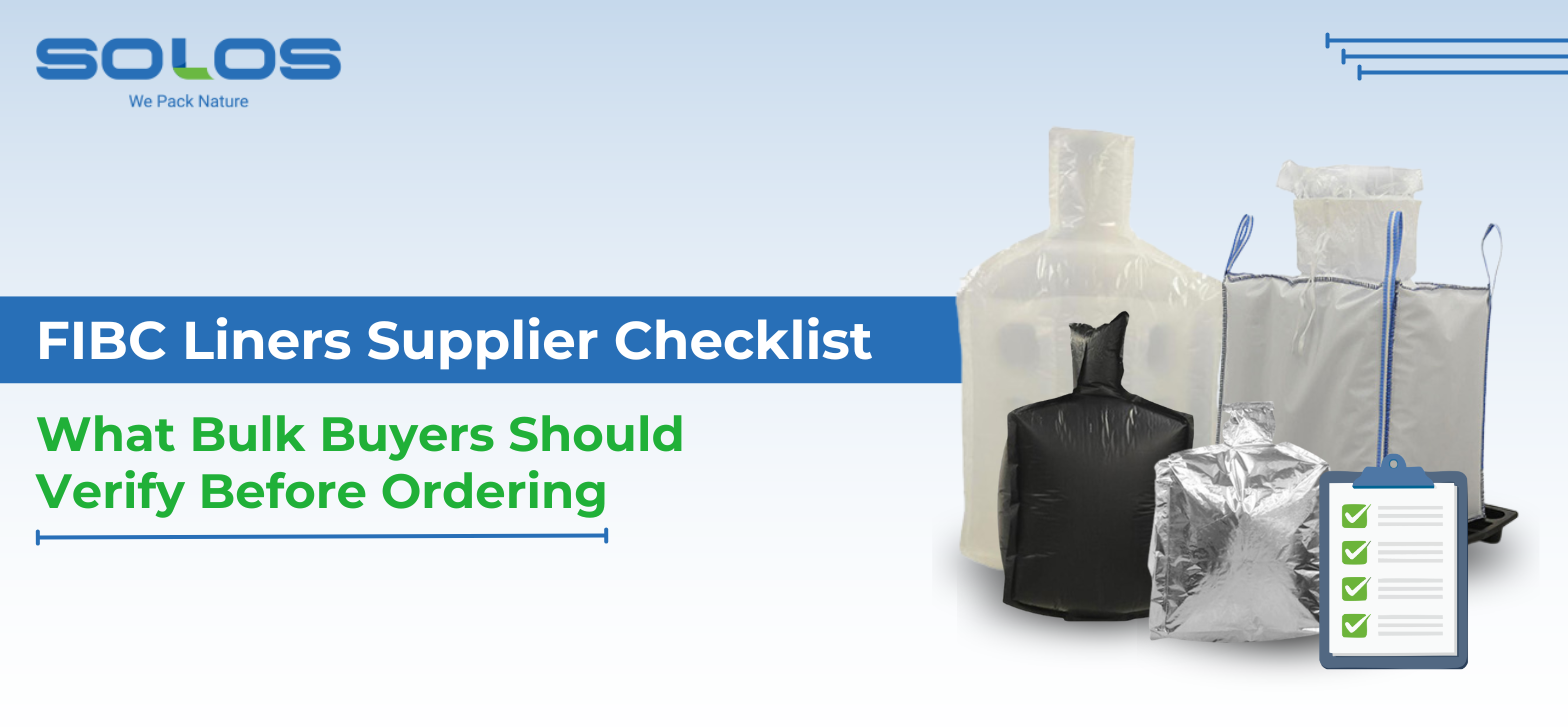
A FIBC liners supplier provides inner liners used inside bulk bags to protect materials from moisture, contamination, and air exposure during storage and transport. These liners help maintain product quality and improve handling efficiency in bulk operations.
Bulk buying looks simple until something goes wrong.
A liner tears during transit. Moisture affects the material. Filling slows down. What seemed like a small decision starts affecting your entire operation.
Most businesses only realize the importance of liner quality after facing losses, not while selecting a vendor.
That’s why choosing the right bulk liner manufacturer is not just about cost. It’s about making sure your packaging performs in real conditions.
Start with the Real Question
Will the liner actually perform under pressure?
Different materials behave differently inside bulk bags. Some require moisture resistance. Others need air barrier protection or static control.
A reliable FIBC liner provider understands your application before recommending a solution. That’s where the real difference begins.
1. Check Raw Material Quality
Everything starts here.
If the material is weak, the liner may fail during stacking or transport.
Before finalizing any packaging supplier, ask:
-
What raw material is used?
-
How strong is the film?
-
Whether it can handle load and movement?
Many bulk issues trace back to poor material selection.
2. Understand Available Liner Types
There is no universal liner for every application.
Depending on your requirement, you may need:
-
Form fit liners for structured filling
-
Lay flat liners for general use
-
Conductive liners for static control
-
High barrier liner for added protection
Working with a supplier that offers multiple FIBC liners options helps you choose what fits your process instead of adjusting your process later.
3. Look for Practical Customization
Bulk operations rarely fit into standard specifications.
You might need:
-
Custom dimensions
-
Specific thickness
-
Valve or spout options
-
Different sealing styles
A capable liner manufacturer adapts to your workflow.
At Solos Polymers, the focus stays on application based customization so businesses can improve efficiency without dealing with packaging limitations.
4. Evaluate Manufacturing Strength
Two vendors may offer similar products, but their output quality can differ significantly.
Check if your FIBC packaging partner uses:
-
Multi layer film technology
-
Advanced sealing systems
-
Controlled production processes
Consistency becomes critical when dealing with large volumes.
5. Verify Quality Testing
Do not rely on assumptions.
A professional liner provider should:
-
Test strength and sealing
-
Check for leakage
-
Maintain batch traceability
Always ask for confirmation before placing bulk orders.
6. Focus on Protection, Not Just Packaging
A liner is not just a layer. It is protection.
Evaluate:
-
Moisture resistance
-
Air barrier performance
-
Resistance to external conditions
For higher protection needs, consider advanced solutions similar to gas barrier liners.
You can also explore related options like packaging liners or industrial liners depending on your use case.
7. Choose Experience That Adds Value
An experienced bulk packaging manufacturer helps you avoid problems before they happen.
They can:
-
Recommend the right liner type
-
Identify risks early
-
Improve storage and handling efficiency
That kind of input saves both time and cost.
8. Check Supply Capacity and Consistency
Bulk sourcing is about reliability.
Make sure your FIBC liner supplier can:
-
Deliver on time
-
Handle large volumes
-
Scale production when needed
Supply delays can disrupt your entire workflow.
9. Think Beyond Price
Lower cost often brings hidden risks.
Poor quality liner can lead to:
-
Product damage
-
Increased wastage
-
Extra handling costs
A reliable packaging partner focuses on long term value, not just short term savings.
10. Evaluate Communication and Support
Strong communication keeps operations smooth.
Your supplier should:
-
Respond quickly
-
Understand your requirements
-
Offer practical solutions
In bulk operations, response delays can become costly.
What Smart Bulk Buyers Do Differently?
Experienced buyers do not rush decisions.
They evaluate:
-
Product performance in real conditions
-
Supplier reliability
-
Long term consistency
They understand that the right FIBC liner supplier reduces risk across the supply chain.
How Solos Polymers Approach FIBC Liners?
Solos Polymers focuses on delivering packaging solutions that work in real world conditions.
The approach is simple:
-
Understand the application
-
Recommend the right liner configuration
-
Maintain consistent quality
This helps businesses avoid common packaging issues and improve operational efficiency.
Final Checklist Before You Order
Before selecting your supplier, confirm:
-
Material strength and quality
-
Availability of multiple liner types
-
Customization options
-
Manufacturing capability
-
Quality testing process
-
Required level of protection
-
Supply consistency
-
Overall value, not just price
Final Thought
Bulk packaging issues rarely appear immediately. They show up during storage, transport, or delivery.
Choosing the right FIBC liners supplier helps you avoid those risks and keeps your operations running smoothly.
Taking time to verify now will save far more later.
