Rising Demand for FIBC Liners: Types, Benefits, and How They Enhance Bulk Packaging Efficiency
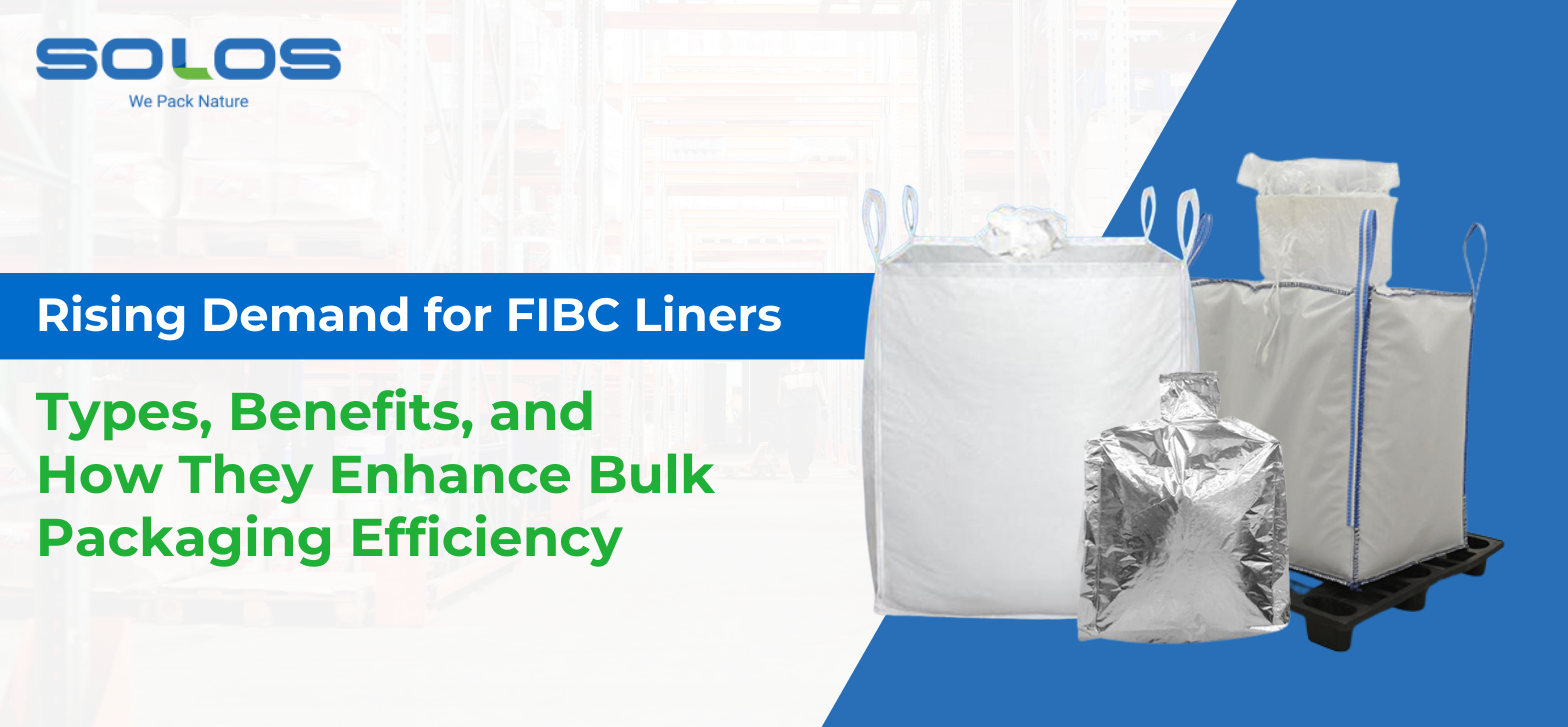
Global industries are evolving rapidly, and so are their packaging requirements. As businesses handle increasingly sensitive materials from food grains and chemicals to agri-products and fine powders the demand for advanced bulk packaging solutions has grown significantly. One solution gaining strong momentum across industries is FIBC liners.
FIBC liners play a crucial role in improving product safety, maintaining hygiene standards, and optimizing logistics efficiency. Today, companies across manufacturing, agriculture, chemicals, and food processing are recognizing how the right liner system can transform bulk packaging performance.
Let’s explore why FIBC liners are witnessing rising demand, their types, benefits, and how they enhance overall packaging efficiency.
What Are FIBC Liners?
FIBC liners are protective inner liners inserted inside Flexible Intermediate Bulk Containers (FIBC bags), commonly known as jumbo bags or bulk bags. These liners act as an additional barrier between the stored material and the external environment.
Their primary purpose is to:
-
Prevent contamination
-
Control moisture and oxygen exposure
-
Protect sensitive materials
-
Improve product discharge efficiency
-
Maintain product purity during storage and transportation
Industries handling powders, granules, chemicals, and food-grade materials rely heavily on bulk bag liners to maintain product integrity throughout the supply chain.
Why Is Demand for FIBC Liners Increasing?
Several global trends are driving the growing adoption of industrial packaging liners.
1. Higher Hygiene and Safety Standards
Food-grade and agro-product industries must comply with strict safety regulations. FIBC liners ensure contamination-free storage and transport, making them essential for compliance.
2. Growth in Global Trade
As international shipping increases, products travel longer distances. Protective liners reduce risks caused by humidity, temperature variation, and handling conditions.
3. Need for Sustainable Packaging
Modern manufacturers are shifting toward recyclable and efficient packaging solutions. Many FIBC liner manufacturers now offer eco-friendly liner options that reduce material waste.
4. Handling Sensitive Materials
Fine powders, chemicals, and hygroscopic products require moisture and gas protection, which liners effectively provide.
Types of FIBC Liners Used in Bulk Packaging
Different industries require specialized liner designs depending on material characteristics and handling processes.
1. Form-Fit Liners
Form-fit liners are shaped to match the FIBC bag structure perfectly. They minimize wrinkles and improve filling efficiency while maximizing storage capacity. Best for: Food products, powders, and chemicals.
2. Lay-Flat Liners
These standard liners are simple and cost-effective solutions used for general bulk packaging applications. Best for: Non-sensitive materials and standard industrial goods.
3. Baffle Liners
Designed with internal panels, baffle liners help maintain bag shape and improve stacking stability. Best for: Efficient warehouse storage and logistics optimization.
4. Aluminum Foil Barrier Liners
These liners offer superior protection against oxygen, moisture, and UV exposure. Best for: specialty chemicals and high-value materials.
5. Conductive and Anti-Static Liners
Used for products prone to static electricity risks, these liners ensure safe handling in hazardous environments. Best for: Chemical and explosive materials industries.
Key Benefits of Using FIBC Liners
-
Enhanced Product Protection – FIBC liners create a sealed internal environment that protects materials from contamination, dust, and external moisture.
-
Improved Shelf Life – Barrier liners prevent oxygen and humidity exposure, helping maintain product quality over extended periods.
-
Better Discharge Efficiency – Many liners feature specialized discharge systems that allow smoother material flow, reducing product wastage.
-
Cost Optimization – Although liners add a small upfront cost, they significantly reduce product loss, contamination risk, and cleaning expenses.
-
Compliance with Industry Standards – Food-grade liners help businesses meet international packaging and safety regulations.
How FIBC Liners Improve Bulk Packaging Efficiency
Efficiency in bulk packaging is not just about storage it involves handling, transportation, and product delivery performance.
-
Optimized Filling Process – Form-fit liners eliminate folds and air pockets, allowing faster filling operations and improved loading consistency.
-
Reduced Product Loss – Without liners, fine materials may stick to bag surfaces or leak. Liners ensure maximum product recovery during discharge.
-
Improved Warehouse Management – Baffle liners maintain bag shape, enabling stable stacking and better space utilization.
-
Cleaner Supply Chain Operations – Liners prevent residue buildup inside bulk bags, reducing cleaning time and improving reuse cycles.
Industries Benefiting from FIBC Liners
The versatility of flexible packaging liners makes them valuable across multiple sectors:
-
Food & Agriculture: Grains, sugar, flour, starch
-
Chemical Industry: Powders, resins, additives
-
Minerals & Construction: Fine powders and specialty materials
-
Plastics & Polymers: Resin pellets and compounds
As industries demand safer and more efficient packaging, liner integration becomes a strategic necessity rather than an optional add-on.
Choosing the Right FIBC Liners Manufacturer
Selecting the right supplier is essential for achieving packaging efficiency. Businesses should consider:
-
Custom liner design capabilities
-
Food-grade certification availability
-
Material quality and durability
-
Compatibility with FIBC bag types
-
Technical support and customization options
A reliable manufacturer ensures liners match specific operational requirements, improving both safety and productivity.
Why Are Businesses Investing in FIBC Liners Today?
Modern supply chains demand efficiency, safety, and reliability. Companies adopting FIBC liner solutions gain competitive advantages through:
-
Reduced product damage
-
Improved compliance
-
Better logistics performance
-
Enhanced brand credibility
-
Lower operational risks
As industries continue moving toward optimized bulk handling systems, FIBC liners are becoming a standard component of advanced packaging strategies.
Conclusion
The rising demand for FIBC liners reflects a larger shift toward smarter, safer, and more efficient bulk packaging solutions. By protecting materials, improving handling efficiency, and supporting compliance standards, liners significantly enhance overall supply chain performance.
From food-grade applications to industrial chemicals, businesses are increasingly relying on specialized liner systems to ensure product integrity and operational excellence. Investing in the right FIBC liner solution is no longer just a packaging decision it is a strategic move toward efficiency and sustainability in modern logistics.
Upgrade your bulk packaging efficiency with high-performance FIBC liners from Solos Polymers engineered for protection, reliability, and sustainability.
