The Ultimate Guide to Packaging Liners: How to Select the Best Option for Storage and Transport
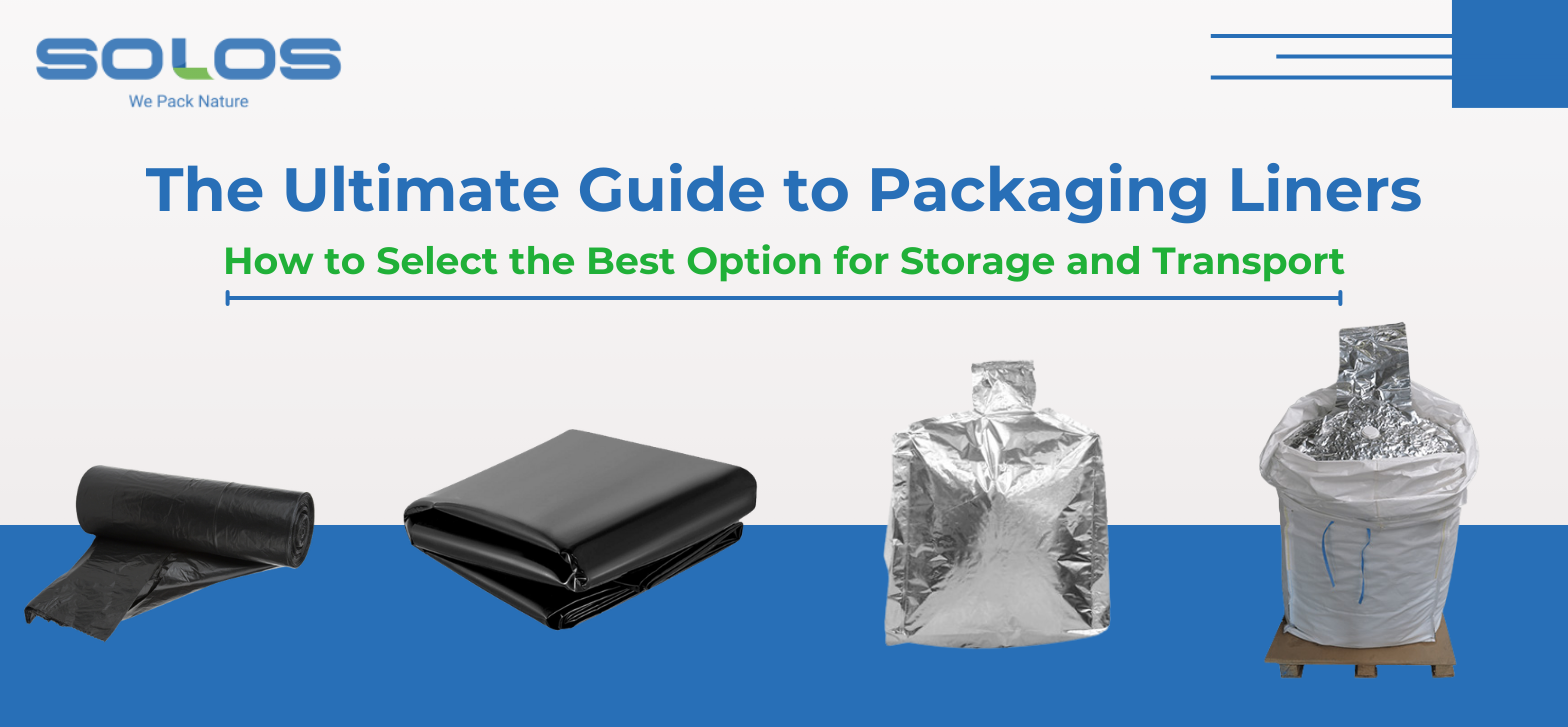
Why Packaging Liners Matter in Modern Logistics? In today’s global supply chain, protecting products during storage and transportation is just as important as manufacturing them. Businesses across industries handle sensitive materials that must remain safe from moisture, contamination, temperature fluctuations, and environmental exposure. This is where packaging liners play a critical role.
Whether transporting food grains, chemicals, or industrial powders, the right liner ensures product quality remains intact from origin to destination. Modern logistics demands efficiency, hygiene, and durability and selecting the correct liner solution can significantly reduce product loss, operational risks, and transportation costs.
This ultimate guide explains everything you need to know about choosing the best packaging liners for storage and transport applications.
What Are Packaging Liners?
Packaging liners are protective inner layers placed inside containers, bulk bags, drums, or shipping units to safeguard materials during storage and transit. They act as a barrier between the product and external environmental factors.
Typically manufactured using polyethylene films, multilayer flexible materials, or specialized barrier structures, liners help maintain product purity and prevent leakage or contamination.
Common applications include:
-
FIBC (Flexible Intermediate Bulk Container) bags
-
Bulk shipping containers
-
Industrial storage bins
-
Drums and cartons
Industries rely on industrial liners and bulk packaging liners to maintain safety standards while improving operational efficiency.
Why Packaging Liners Are Essential for Storage & Transportation?
Packaging liners provide far more than basic protection. They directly influence product quality, shelf life, and logistics performance.
-
Moisture Protection – Many materials absorb moisture easily, leading to spoilage or degradation. Liners prevent humidity penetration and preserve product stability.
-
Contamination Prevention – Dust, bacteria, and external particles can compromise goods. Liners create a hygienic internal environment, especially for food-grade products.
-
Extended Shelf Life – Barrier properties help maintain freshness and chemical stability over long transport periods.
-
Chemical Resistance – Industrial products require liners capable of resisting chemical reactions, corrosion, or leakage.
-
Temperature Protection – Specialized liners provide insulation against extreme temperature conditions during shipping.
-
Product Integrity – Reduced spillage and damage translate directly into cost savings and customer satisfaction.
-
Electrostatic Protection – Conductive and antistatic liners are designed to safely store and transport sensitive or hazardous materials like electronic and industrial goods.
5 Types of Packaging Liners
Understanding liner types is essential before selecting the right solution.
1. FIBC Liners
FIBC liners are used inside jumbo bags to provide additional protection. They are widely used for powders, grains, and sensitive materials that require contamination control. Food-grade FIBC liners ensure hygiene compliance while improving discharge efficiency.
2. Container Liners
Container liners transform standard shipping containers into bulk transport units. They are ideal for transporting dry bulk cargo such as fertilizers, sugar, or minerals, minimizing loading and unloading time.
3. Gas Barrier Liners
These liners restrict oxygen and moisture transmission. Industries handling sensitive products such as chemicals or specialty foods rely on gas barrier liners to maintain product composition.
4. Industrial Liners
Designed for heavy-duty environments, industrial liners offer high strength and durability. They are commonly used in mining, construction, and chemical sectors where protection requirements are demanding.
5. Pond & Specialty Liners
Specialized liners are used for liquid containment, environmental protection, and storage applications requiring leak prevention and long-term durability.
Key Factors to Consider When Selecting Packaging Liners
Choosing the right liner involves evaluating multiple operational factors.
-
Product Compatibility – The liner must match the chemical and physical characteristics of the stored material.
-
Barrier Requirements – Assess whether protection from moisture, oxygen, or contamination is required.
-
Load Capacity – Heavy materials demand stronger liners with higher tensile strength.
-
Transportation Conditions – Consider handling methods, shipping duration, and environmental exposure.
-
Regulatory Compliance – Food-grade or export applications require certified liner materials that meet safety standards.
-
Customization Needs – Custom dimensions, valve openings, or sealing options improve efficiency and reduce product loss.
Material Selection Guide: Choosing the Right Film Structure
Material composition significantly affects liner performance.
-
Single-Layer Liners – Suitable for basic protection where environmental exposure is minimal.
-
Multilayer Liners – Provide enhanced barrier properties using advanced film technology. These liners offer improved durability and protection against moisture and gases.
-
Anti-Static & Conductive Liners – Used in environments where static electricity could create safety hazards, particularly in chemical handling.
-
Thickness & Strength Considerations – Thicker liners generally provide higher puncture resistance, but selecting optimal thickness ensures cost efficiency without compromising protection.
Careful material selection ensures liners perform effectively throughout the product lifecycle.
Industry-Wise Applications of Packaging Liners
Packaging liners serve a wide range of industries.
-
Food & Agriculture – Protect grains, sugar, flour, and processed food products from contamination and moisture.
-
Chemical Industry – Prevent reactions between products and external environments while ensuring safe transportation.
-
Construction Materials – Used for cement, sand additives, and minerals requiring strong protective barriers.
-
Mining & Minerals – Heavy-duty liners prevent leakage and maintain safe handling of abrasive materials.
-
Electronic Parts – Specialized liners, including antistatic and conductive options, safeguard delicate electronic components such as microchips, circuit boards, and semiconductors from electrostatic discharge and contamination.
-
Rare Earth Materials – Packaging liners are widely used for storing and transporting rare earth elements and specialty minerals that require controlled environments to prevent contamination, moisture exposure, and material degradation.
Each industry requires specific liner properties tailored to operational needs.
Common Mistakes Buyers Make While Choosing Packaging Liners
Selecting incorrect liners can result in financial and operational losses.
-
Choosing liners based only on price instead of performance
-
Ignoring barrier property requirements
-
Selecting incorrect thickness levels
-
Overlooking customization options
-
Not consulting experienced manufacturers
Avoiding these mistakes ensures long-term reliability and cost efficiency.
Expert Tips to Maximize Storage & Transport Efficiency
To get the best performance from packaging liners, follow these expert recommendations:
-
Ensure proper liner installation to avoid wrinkles or gaps
-
Use compatible sealing methods for secure closure
-
Store liners in clean, dry environments before use
-
Train handling teams on proper loading procedures
-
Work closely with suppliers to optimize liner specifications
Small operational improvements can significantly enhance packaging efficiency.
How to Choose the Right Packaging Liner Manufacturer
Selecting a reliable supplier is as important as choosing the liner itself.
-
Look for manufacturers offering:
-
Industry certifications and quality standards
-
Custom engineering capabilities
-
Experience across multiple industries
-
Consistent product quality
-
Reliable supply chain support
A trusted manufacturer helps businesses reduce risks and maintain product consistency.
Conclusion
Packaging liners have become an essential component of modern storage and transportation systems. From protecting sensitive materials to improving logistics efficiency, the right liner solution enhances product safety, reduces losses, and supports smooth supply chain operations.
Understanding liner types, materials, and application requirements allows businesses to make informed decisions that improve performance and profitability. By selecting suitable bulk packaging liners and working with experienced suppliers, organizations can ensure reliable protection throughout the entire logistics journey.
Upgrade your packaging performance with high-quality, customized liner solutions from Solos Polymers built for protection, efficiency, and reliability.
