Gas Barrier Innovations: Why FIBC Liners with High-Oxygen Protection Are Dominating Sensitive Bulk Applications
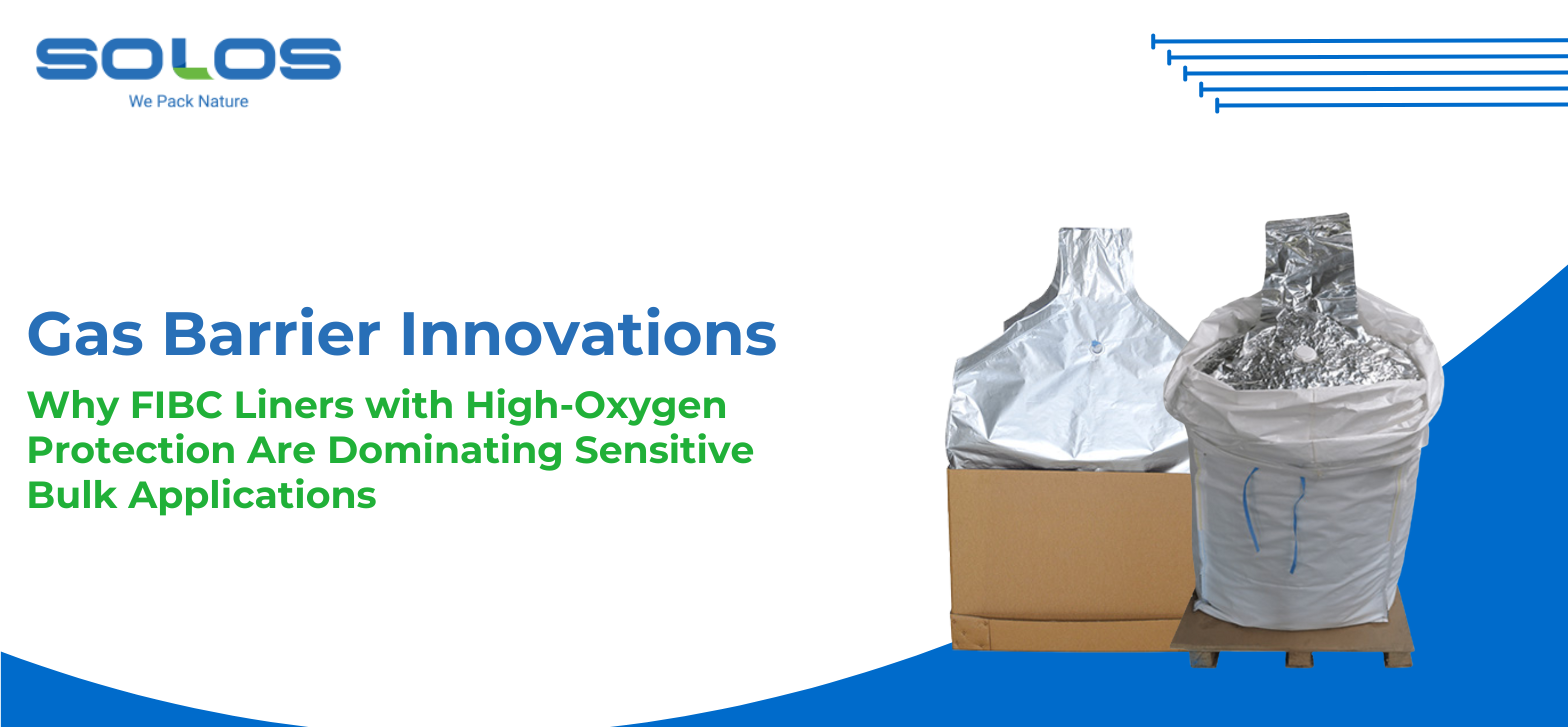
In today’s highly regulated and quality-focused industrial supply chains, protecting bulk materials from environmental exposure has become a top priority. Industries dealing with food, chemicals, specialty powders, and nutraceuticals can no longer rely on standard packaging solutions. Even minimal oxygen ingress can deteriorate product quality, reduce shelf life, and compromise safety.
This is where high-oxygen barrier FIBC liners have emerged as a game-changer. These advanced liners are specifically designed to control oxygen transmission and provide superior protection for oxygen-sensitive materials, making them an essential solution for modern bulk packaging.
Understanding the Role of FIBC Liners in Bulk Packaging
FIBC liners are internal liners placed inside Flexible Intermediate Bulk Containers (FIBC bulk bags) to protect the product from moisture, air, contamination, and gas exchange. They act as an additional protective barrier between your product and the external environment.
When it comes to sensitive products, standard liners may not be enough. Industries now require high gas barrier FIBC liners that significantly reduce oxygen transmission and preserve product integrity during storage and transportation.
Why Oxygen Protection Is Critical for Sensitive Materials?
Oxygen exposure can cause devastating effects, especially in high-value bulk materials such as:
-
Food ingredients and powders
-
Specialty chemicals
-
Cosmetic powders
-
Nutraceutical ingredients
-
Agricultural seeds
-
Antioxidant-sensitive minerals
Oxygen can lead to:
-
Oxidation of active ingredients
-
Loss of aroma, texture, and color
-
Reduced effectiveness of agri-ingredients
-
Fungal and microbial growth
-
Reduced shelf life
This is why FIBC liners with high oxygen barrier protection are now dominating sensitive bulk applications globally.
What Are High-Oxygen Barrier FIBC Liners?
High-oxygen barrier liners are specially engineered liners that significantly reduce OTR (Oxygen Transmission Rate). These liners are manufactured using advanced multi-layer films and specialty barrier materials such as:
-
EVOH liners (Ethylene Vinyl Alcohol)
-
Aluminum foil laminated liners
-
Multi-layer co-extruded barrier films
-
Gas-tight liners
-
High-barrier polyethylene liners
These materials create a controlled internal environment, preventing oxygen from entering and minimizing interaction with the product.
Key Gas Barrier Innovations in FIBC Liners
Modern FIBC liner manufacturers have developed several innovative technologies to improve oxygen protection:
1. EVOH Barrier Liners
EVOH (Ethylene Vinyl Alcohol) offers exceptional oxygen barrier properties while maintaining flexibility. It is widely used for food-grade packaging.
Key benefits:
-
Ultra-low OTR values
-
Food-safe & hygienic
-
Excellent transparency
-
Highly durable
2. Aluminum Foil Laminated Liners
These liners offer the highest level of gas and oxygen protection. They are ideal for highly sensitive applications such as:
-
Specialty chemicals
-
Hygroscopic materials
-
Export of oxygen-sensitive powders
Benefits include:
-
Near-zero oxygen transmission
-
Complete light and UV protection
-
Extended shelf life
3. Multi-Layer Co-Extruded Liners
These liners combine multiple polymer layers with different functionalities:
-
Outer layer: Strength & puncture resistance
-
Middle layer: Oxygen barrier
-
Inner layer: Food-safe contact surface
They deliver strong mechanical performance with advanced gas barrier capability.
4. Gas-Tight Liners
Used in applications requiring controlled atmosphere storage, gas-tight liners allow purging and flushing with nitrogen or other inert gases. These liners are widely used in:
-
Coffee industry
-
Cocoa powders
-
Nutraceutical exports
Industries Driving Demand for High-Barrier FIBC Liners
Several industries are actively moving towards oxygen-barrier bulk packaging due to increasing quality standards and international transport requirements.
Food Processing Industry
Food powders like milk powder, whey protein, flour, sugar alternatives, and spices are highly prone to oxidation. Food-grade FIBC liners with an oxygen barrier help retain freshness and flavor.
Chemical Industry
Specialty chemicals, antioxidants, pigments, and reactive powders require gas barrier FIBC packaging to prevent degradation and ensure safe storage.
Agriculture Sector
Agricultural seeds and nutrients are also oxygen sensitive. Barrier liners help retain germination quality and nutrient stability.
Key Benefits of High-Oxygen Protection FIBC Liners
Here’s why these barrier liners are becoming the preferred choice in modern bulk packaging:
 Extended shelf life of sensitive products
Prevention of oxidation and spoilage
Compliance with global packaging standards
Enhanced product safety during export
Cost savings from reduced material loss
Compatibility with nitrogen flushing systems
Higher customer satisfaction and brand trust
How They Improve Export Packaging Standards
With global exports increasing, packaging now plays a major role in maintaining product integrity during long-distance transit. Gas barrier FIBC liners help exporters meet international standards, such as:
-
FDA food packaging compliance
-
EU packaging safety regulations
-
GMP standards
-
WHO compliance for sensitive materials
These liners ensure your product arrives at its destination just as fresh and effective as when it left the facility.
Factors to Consider When Choosing High-Barrier FIBC Liners
When selecting the right liner for your application, consider the following:
-
Type of product being packaged
-
Sensitivity to oxygen and moisture
-
Storage duration
-
Transportation distance
-
Filling and discharge method
-
Regulatory requirements
A reliable FIBC liner manufacturer can guide you in selecting the right liner type for your application, ensuring both safety and performance.
Future of High-Barrier FIBC Liners
With increasing emphasis on sustainability, many manufacturers are now working on recyclable and eco-friendly high-barrier liners. Innovations like mono-material barrier liners and recyclable multi-layer films will further transform the bulk packaging industry.
The combination of sustainability with performance will drive the next generation of advanced FIBC packaging solutions.
Conclusion
The dominance of FIBC liners with high-oxygen protection is not just a technological trend — it’s a necessity driven by modern industrial needs. From food and chemicals and agriculture, industries dealing with sensitive materials can no longer afford basic packaging.
With advanced materials like EVOH, aluminum foil laminates, and multi-layer gas barrier liners, these liners provide unmatched protection, longer shelf life, and better quality control.
Investing in high-quality gas barrier FIBC liners is no longer an option — it’s a strategic move for businesses aiming to maintain product integrity, reduce losses, and stay competitive in global markets.
Choose Trusted Gas Barrier FIBC Liner Solutions
If you’re looking for advanced high-oxygen barrier FIBC liners and flexible packaging solutions tailored to sensitive applications, Solos Polymers is your trusted partner.
With cutting-edge manufacturing, premium raw materials, and customized liner solutions, Solos Polymers delivers superior bulk packaging liners that meet global safety, performance, and sustainability standards.
Partner with Solos Polymers today to upgrade your bulk packaging with world-class gas barrier liner technology.
