Sustainable Packaging Liners: How the Plastic Liner Market Is Evolving Toward a Circular Economy
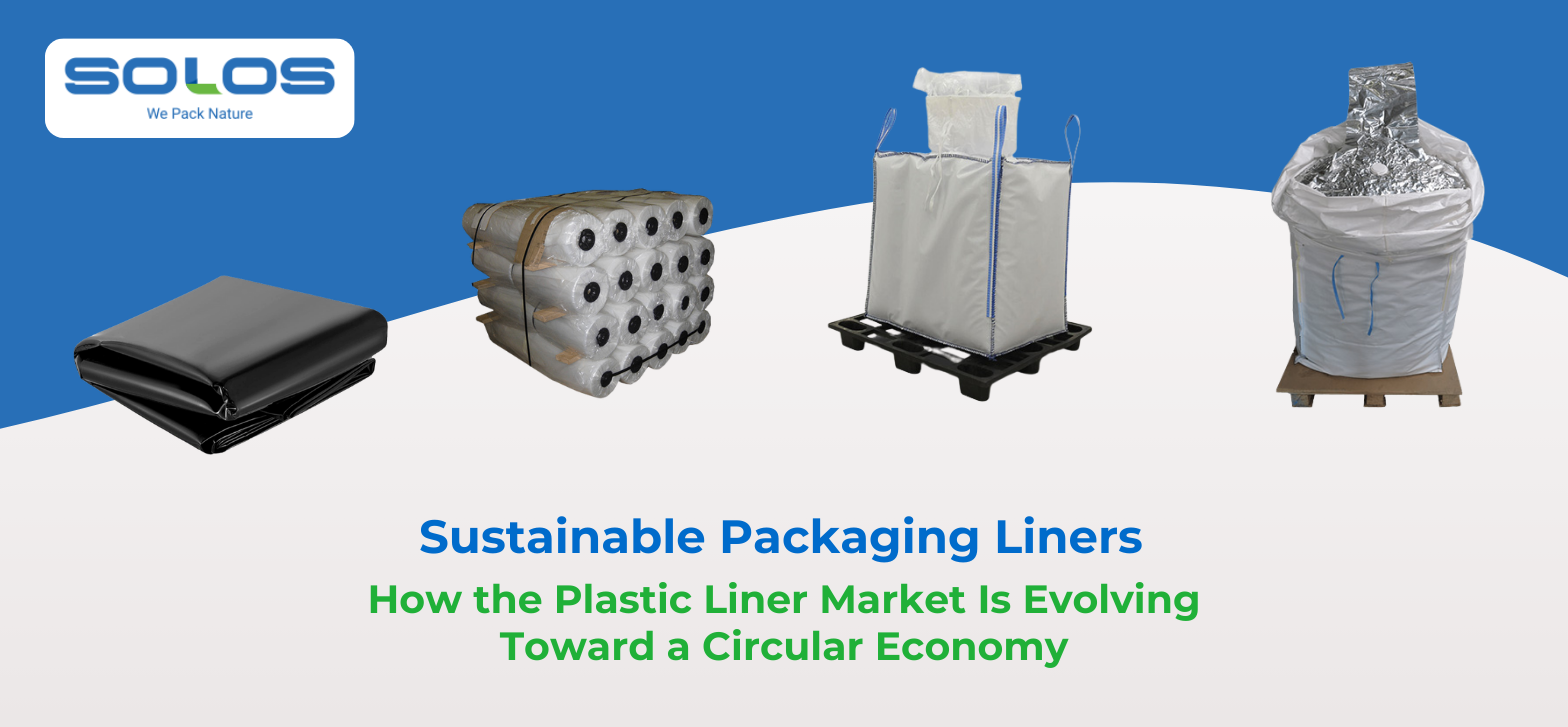
As global sustainability goals tighten and industries move away from single-use plastics, sustainable packaging liners are gaining rapid momentum. From food and agriculture to chemicals and construction, businesses are now seeking eco-friendly plastic liner solutions that align with circular economy principles while maintaining strength, hygiene, and performance.
The plastic liner market is undergoing a massive transformation — shifting from a linear “use-and-dispose” model to a circular economy approach where materials are reused, recycled, and regenerated. In this blog, we explore how this evolution is shaping the future of packaging liners and what it means for modern industries.
Understanding the Role of Packaging Liners in Industrial Applications
Packaging liners are protective layers used inside containers such as FIBC bags, bulk bins, cartons, and drums. They help ensure product hygiene, prevent contamination, control moisture, and extend shelf life — especially for sensitive products like food grains, powders, and chemicals.
Industries commonly use:
-
FIBC liners
-
Bulk bag liners
-
Polyethylene liners
-
Flexible packaging liners
With growing awareness around carbon footprints, companies are now opting for sustainable plastic liners made from recyclable or biodegradable materials.
The Shift Toward a Circular Economy in Plastic Packaging
A circular economy focuses on keeping materials in use for as long as possible while minimizing waste. In contrast to traditional plastic usage, where products end up in landfills or oceans, circular systems encourage:
-
Recycling
-
Reusability
-
Resource efficiency
-
Lower environmental impact
In the packaging liner industry, this means developing recyclable plastic liners, rPET liners, and reusable flexible packaging solutions that reduce dependence on virgin plastic.
How the Plastic Liner Market Is Evolving?
1. Introduction of Recyclable and rPET Liners
One of the biggest shifts in the industry is toward rPET-based packaging liners. These liners are manufactured using recycled PET plastic, significantly reducing carbon emissions compared to virgin plastic production.
Benefits of rPET and recyclable liners include:
-
Lower environmental impact
-
Reduced dependency on fossil fuels
-
Support for closed-loop recycling systems
-
Compliance with sustainability regulations
Many leading plastic liner manufacturers are now focusing on food-grade recycled materials to maintain safety standards while promoting sustainability.
2. Rise of Biodegradable and Compostable Liners
The development of biodegradable packaging liners is another major innovation. These liners break down under controlled conditions, reducing plastic waste accumulation in landfills.
Industries such as agriculture and retail packaging are increasingly using compostable plastic liners for short-term applications, especially where waste recovery infrastructure is strong.
3. Lightweight and Material Optimization Technologies
To reduce plastic consumption, manufacturers are designing lightweight liners without compromising strength. Using advanced polymer engineering, these new-generation flexible packaging liners offer:
-
Thinner films with high barrier properties
-
Enhanced load-bearing capacity
-
Lower raw material usage
-
Improved cost efficiency
This not only helps organizations reduce carbon emissions but also lowers logistics costs.
4. Increased Demand from Sustainable Industries
Key sectors using eco-friendly plastic liners include:
-
Organic food & grains industry
-
Chemical and fertilizer industry
-
FMCG and retail packaging
Companies focusing on sustainable operations now prefer suppliers offering recyclable bulk bag liners and custom eco-friendly packaging liners.
Key Benefits of Sustainable Packaging Liners
Switching to sustainable liners isn’t just about environmental responsibility — it also brings multiple business advantages:
 Reduced Carbon Footprint
Using recycled and recyclable liners significantly cuts down CO₂ emissions throughout the product lifecycle.
Compliance with Environmental Regulations
As governments tighten plastic waste rules, sustainable liners help businesses stay compliant and avoid penalties.
Brand Value Enhancement
Consumers and B2B clients now actively support brands using green packaging solutions.
Cost Efficiency
Although the initial cost may be slightly higher, sustainable liners reduce waste management and disposal costs over time.
Growing Role of Smart Technology in Plastic Liners
The future of plastic liner manufacturing is also being shaped by smart technologies such as:
-
AI-based material optimization
-
IoT-enabled tracking of packaging lifecycle
-
Smart recycling processes
-
Advanced polymer science
These technologies enable manufacturers to produce high-performance recyclable liners while minimizing waste and maximizing reuse cycles.
Conclusion
The transition of the plastic liner market toward a circular economy is not just a trend — it’s a necessity. As industries embrace sustainable practices, sustainable packaging liners play a vital role in reducing environmental impact while maintaining product safety and performance.
By choosing eco-friendly packaging liners, businesses not only contribute to environmental protection but also position themselves as responsible and forward-thinking organizations. The future belongs to organizations that adopt innovative, recyclable, and sustainable packaging technologies today.
Get Sustainable Packaging Solutions with Solos Polymers
Looking for high-quality, sustainable, and future-ready packaging liners?
Solos Polymers is a leading manufacturer and supplier of advanced sustainable packaging liners, offering recyclable, biodegradable, and customized flexible packaging solutions for various industries.
From FIBC liners to bulk packaging liners, Solos Polymers ensures innovation, sustainability, and performance in every product.
Contact Solos Polymers today and take your packaging a step closer to a circular economy.
